
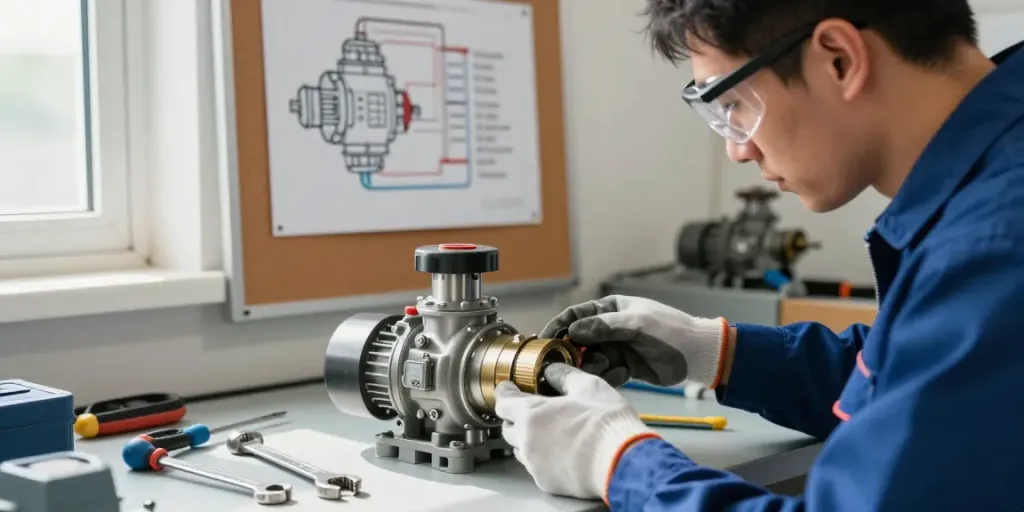
Understanding Water Pump Pressure Switches
Water pump pressure switches play a crucial role in maintaining the efficiency and reliability of water pumping systems, whether for residential, commercial, or agricultural applications. These devices ensure that pumps operate under optimal pressure conditions, automatically turning them on and off based on preset pressure levels. As the demand for efficient water management systems grows, understanding the functions and benefits of these switches becomes essential for both users and manufacturers alike. When exploring options, water pump pressure switch models from industry leaders like Lefoo offer advanced features that cater to various market needs.
What is a Water Pump Pressure Switch?
A water pump pressure switch is an electrical device that regulates the operation of a water pump based on the pressure of the water being pumped. Its primary role is to automate the start and stop cycles of the pump, ensuring that the water pressure remains within defined limits. This device is often found in well-water systems, booster pumps, and irrigation applications, where water pressure must be consistent to meet usage demands.
Main Functions and Benefits
- Automated Control: Pressure switches eliminate the need for manual operation, allowing systems to respond automatically to changes in pressure.
- Energy Efficiency: By ensuring that pumps only operate when necessary, these switches help reduce energy consumption and costs.
- System Protection: They protect pumps from operating under conditions that could lead to damage, such as dry running or excessive pressure.
- Enhanced Performance: Consistent pressure levels improve the overall performance and reliability of water systems.
Components of Pressure Switches
Water pump pressure switches consist of several key components, including:
- Diaphragm: This flexible membrane reacts to pressure changes and helps activate the electrical contacts.
- Contacts: These are responsible for making or breaking the electrical circuit to the pump based on the diaphragm's position.
- Adjustment Screws: These allow users to set the desired cut-in and cut-off pressure levels for the pump.
- Enclosure: A durable outer casing that protects the internal components from environmental factors.
Choosing the Right Water Pump Pressure Switch
Selecting the appropriate water pump pressure switch requires a thorough understanding of your application needs and the specifications that align with your system requirements. Key factors include pressure settings, compatibility with existing equipment, and durability under operational stresses.
Identifying Your Application Needs
Before purchasing a pressure switch, it's essential to identify the specific needs of your water pumping system. Consider the following:
- Type of pump (submersible, jet, booster)
- Required pressure range for efficient operation
- Control mechanisms (manual vs. automatic)
- Environmental conditions (temperature, humidity, dust exposure)
Key Specifications to Consider
When evaluating different models of water pump pressure switches, pay close attention to:
- Pressure Range: Ensure that the switch can handle the required cut-in and cut-off pressures.
- Electrical Ratings: Check the voltage and current ratings to confirm compatibility with your pump.
- Durability: Look for switches with robust materials that can withstand environmental stresses and mechanical wear.
- Adjustment Features: Consider whether the switch allows for easy recalibration of pressure settings.
Comparative Analysis of Popular Models
Several models of water pump pressure switches are available on the market, each offering unique features and benefits. A comparative analysis can help determine the best fit for your application:
- Standard Mechanical Switches: Often cost-effective but may lack precision and durability.
- Digital Pressure Switches: Provide advanced features like programmable settings, enhanced accuracy, and diagnostics but tend to be pricier.
- Heavy-Duty Industrial Switches: Designed for high-volume applications, offering superior reliability and longer lifespan.
Installation Best Practices
Proper installation is key to ensuring the functionality and longevity of your water pump pressure switch. Adhering to best practices can prevent issues and enhance performance.
Step-by-Step Installation Guide
Follow these steps for a successful installation:
- Power Off: Always ensure that the power supply is disconnected before beginning installation.
- Remove Old Switch: If replacing an existing switch, carefully detach it from the pump.
- Install New Switch: Position the new switch according to manufacturer instructions, ensuring tight connections.
- Set Pressure Levels: Adjust the cut-in and cut-off settings as per your system requirements.
- Test System: Reconnect power and run tests to ensure the switch operates at the desired pressure.
Common Mistakes to Avoid
To prevent installation mishaps, avoid the following common mistakes:
- Neglecting to follow specific manufacturer guidelines, which could void warranties.
- Using incorrect fittings or materials that may lead to leaks or pressure loss.
- Failing to calibrate pressure settings correctly, which could impact pump operation.
- Overtightening connections, risking damage to components.
Ensuring Optimal Performance Post-Installation
After installation, it’s essential to monitor the system’s performance to catch any issues early. Regularly check:
- Pressure readings for consistency
- Electrical connections for signs of wear
- Physical components for leaks or corrosion
Maintenance and Troubleshooting
Routine maintenance and effective troubleshooting are vital for ensuring the long-term functionality of your water pump pressure switch.
Regular Maintenance Tips for Longevity
Implement these maintenance practices to extend the lifespan of your pressure switch:
- Inspect the diaphragm for wear or damage regularly.
- Keep the switch clean and free of debris.
- Check and clean electrical contacts to prevent poor connectivity.
- Test and recalibrate pressure settings annually.
Signs of a Failing Pressure Switch
Be aware of signs indicating that your pressure switch may be failing, including:
- Frequent cycling of the pump without reaching desired pressure levels.
- Inconsistent water pressure in the system.
- Visible physical damage or corrosion on the switch.
- Unusual noises from the pump that indicate operational issues.
DIY Troubleshooting Techniques
If you suspect issues with your pressure switch, consider these DIY troubleshooting techniques:
- Test the switch with a multimeter to check for electrical continuity.
- Inspect for leaks around the switch and replace seals if necessary.
- Verify that the pressure settings are correctly calibrated.
- Examine wiring connections to ensure they are secure and free of corrosion.
Future Trends in Water Pump Pressure Switch Technology
The technology behind water pump pressure switches continues to evolve, driven by innovation and the increasing demand for smart solutions. Future trends will likely focus on automation, efficiency, and sustainability.
Innovations Expected by 2026
By 2026, advancements in pressure switch technology may include:
- Smart Pressure Switches: Integration with IoT technology for remote monitoring and control via mobile devices.
- Advanced Diagnostics: Enhanced features to diagnose potential issues before failure, reducing downtime.
- Energy Harvesting Technologies: Solutions that use renewable energy from system operation to power remote devices.
Integration with Smart Home Systems
The rise of smart home technology signifies a shift towards integrating water pump pressure switches into larger home management systems. This can enhance user control, efficiency, and monitoring capabilities.
Environmental Sustainability Considerations
As the focus on environmental sustainability intensifies, future pressure switches are expected to be designed with eco-friendly materials and manufacturing processes. This shift will not only reduce their environmental footprint but also appeal to environmentally conscious consumers.