
The Importance of Choosing the Right Felt Roofing
In the world of roofing, felt roofing stands out as a practical and cost-effective solution, particularly for flat and low-pitched roofs. As homeowners and property managers increasingly seek durable and reliable roofing solutions, understanding the implications of using the right felt materials is more crucial than ever. This article serves to provide insights into felt roofing, its types, benefits, installation considerations, and how to choose the right roofing professionals.
What is Felt Roofing and Why It Matters?
Felt roofing refers to a type of roofing system that utilizes felt materials, typically made from bitumen or asphalt, to provide waterproofing and weather protection. It is most commonly used on flat roofs, garages, extensions, and sheds. The importance of felt roofing lies in its ability to withstand harsh weather conditions while providing a protective barrier against moisture. When installed correctly, felt roofs can last for decades, making them a valuable investment for property owners.
Benefits of Quality Felt Roofing Systems
- Cost-Effective: Compared to other roofing materials, felt roofing is often less expensive to install and maintain.
- Durability: Modern felt roofing systems are designed to be robust, resistant to UV rays, and less prone to cracking.
- Energy Efficiency: Insulated felt roofing can enhance a building's energy efficiency, reducing heating costs.
- Easy Installation: Skilled contractors can install felt roofing efficiently, minimizing disruption to homeowners.
Common Misconceptions About Felt Roofing
Despite its many benefits, several misconceptions surround felt roofing. One common myth is that felt roofs are only suitable for low-quality builds; however, when correctly applied, they can provide long-lasting performance comparable to more expensive materials. Another misconception is that felt roofing is prone to leaks; while this can happen due to improper installation, following best practices can mitigate these risks considerably.
Understanding Different Types of Felt Roofing
Felt roofing comes in various types, each designed to meet specific needs. When assessing which option is right for your roofing project, it is essential to understand these differences.
Comparing Traditional and Modern Felt Materials
Traditional felt roofing often utilizes a single-layer of bitumen felt, which, while effective, lacks the durability of modern alternatives. Newer systems incorporate multiple layers, enhancing strength and waterproofing capabilities. Modern felt systems, such as torch-on felt, provide superior performance with enhanced resistance to natural elements.
Exploring Torch-On vs. Cold Applied Felt Roofing
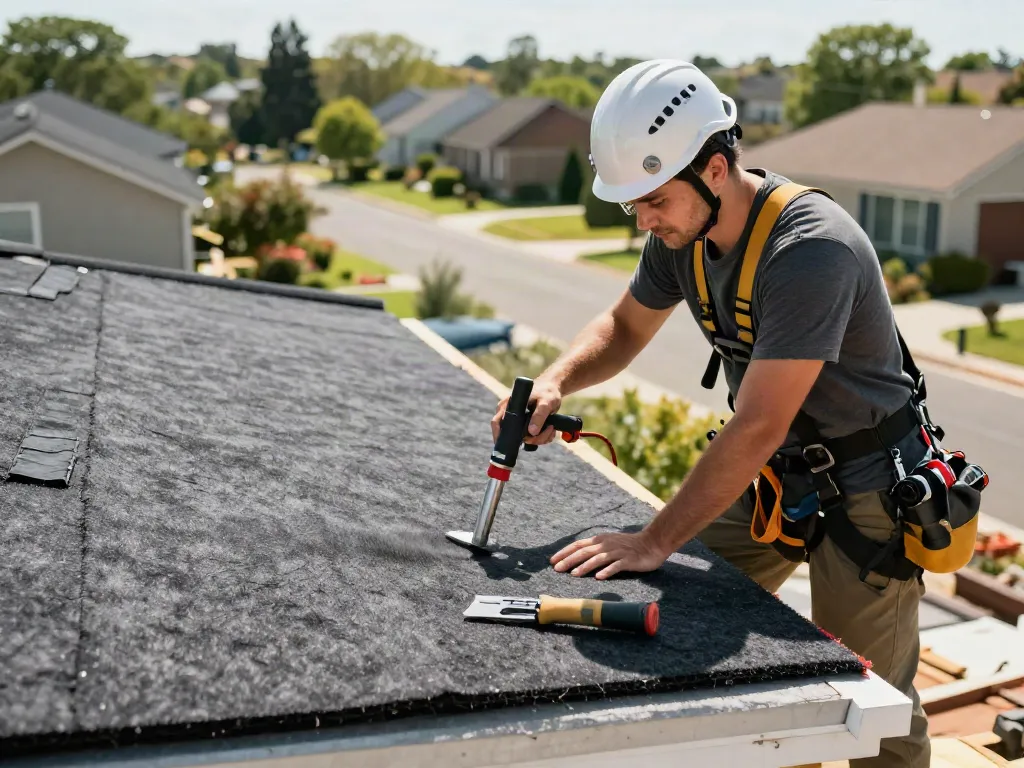
Torch-on felt roofing is applied using a flame to melt the bitumen, resulting in a seamless, watertight finish. Conversely, cold applied felt roofing uses adhesives for installation, making it suitable for projects in wet conditions. Both systems have their unique advantages, and the choice often depends on specific project needs and environmental conditions.
Customizing Felt Roofing Solutions for Your Home
Customization in felt roofing can range from choosing the thickness of the felt to incorporating insulation materials beneath the roofing layers. Consulting with qualified roofing professionals can help ensure that you choose the best solution tailored to your property's specific climate and structural needs.
Finding Trusted Local Felt Roofing Specialists
Finding qualified roofing specialists can be daunting, especially when you need immediate repairs. However, several strategies can help streamline the process of locating reliable local roofers skilled in felt roofing installations.
How to Vet Local Roofers Effectively
When searching for local roofing specialists, it’s critical to assess their qualifications thoroughly. Check for certifications, customer reviews, and a portfolio of their previous work. A reputable contractor should also provide proof of insurance, ensuring that you are protected during the roofing project.
The Importance of Insurance and References
Always request references and verify that the roofing contractor has liability and worker's compensation insurance. This not only protects you from potential damages but also demonstrates that the contractor is serious about their business and adheres to professional standards.
Using Online Services to Compare Roofing Quotes
Utilizing online platforms can simplify the process of obtaining quotes from multiple roofing contractors. These services allow homeowners to compare quotes side-by-side, facilitating informed decision-making. By entering your requirements, you can connect with local roofers who can assist with your felt roofing needs efficiently.
Steps to a Successful Felt Roofing Installation
Once you've chosen the right roofing contractor, understanding the steps they will take for installation can enhance your overall experience and satisfaction with the project.
Preparing Your Home for Roof Work
Prior to installation, ensure that your property is properly prepared. This may include moving outdoor furniture, securing any loose items, and providing access to the roof. Discuss any specific concerns or requirements with your contractor to streamline the work process.
What to Expect During the Installation Process
The installation process may vary based on the chosen felt roofing system, but generally, it involves several key steps: stripping the old roofing material, performing necessary repairs, laying down the new felt layers, and ensuring a secure bond with adhesives or heat application. Always remain available to address any questions or concerns during this phase.
Post-Installation Care and Maintenance Tips
After installation, the attention doesn’t stop there. Regular inspections and maintenance are crucial to prolong the lifespan of your felt roofing. Look for signs of wear, such as cracked seams or loose edges, and address them immediately.
Future Trends in Felt Roofing for 2026 and Beyond
As technology and materials advance, the landscape of felt roofing continues to evolve. Understanding these trends can help homeowners make informed decisions for long-term durability and effectiveness.
Innovations in Energy Efficiency and Sustainability
Emerging trends indicate a shift towards using sustainable materials in felt roofing systems. Manufacturers are developing eco-friendly felt products that minimize environmental impact while providing superior insulation and weather protection.
Emerging Technologies in Roofing Applications
New technologies such as drones for inspections and advanced thermal imaging for detecting leaks are revolutionizing the roofing industry. These advancements allow for more efficient project management and maintenance routines. Future roofs may incorporate photovoltaic cells to provide solar energy, further increasing energy efficiency.
Predictions for the Felt Roofing Market in the UK
As the demand for green building practices increases, the felt roofing market is expected to grow significantly. Homeowners and contractors alike will likely prioritize quality materials and sustainable options, ensuring a bright future for felt roofing solutions in the United Kingdom.
What are the best felt roofing materials?
When selecting felt roofing materials, professionals often recommend products that meet specific standards, including durable, reinforced felt with a mineral finish that provides UV resistance.
How long does felt roofing typically last?
With proper installation and maintenance, high-quality felt roofing can last anywhere from 15 to 25 years, depending on the environmental conditions and the quality of materials used.
Can felt roofing be installed in wet conditions?
While it is advisable to install felt roofing in dry conditions, cold applied felt roofing can be installed in wet conditions using adhesive methods, making it a flexible option for unpredictable weather.
What maintenance does felt roofing require?
Maintenance includes regular inspections for damage, cleaning debris off the roof, and ensuring the drainage systems remain unclogged to prevent water pooling.
How do I choose the right roofing contractor?
To choose the right roofing contractor, seek recommendations from friends or family, read online reviews, and ensure that the contractor provides a detailed written quotation and is insured.